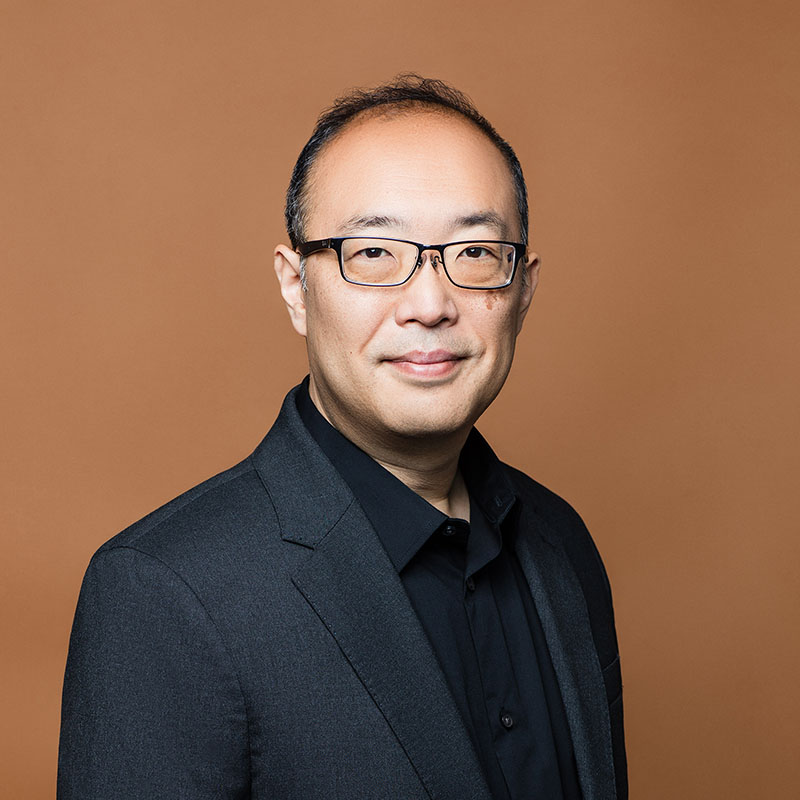
Professor of Chemical Biology and Molecular Therapeutics
Department of Chemistry
Department of Molecular and Cell Biology
(Molecular Therapeutics Division)
University of California, Berkeley
Co-Director
Molecular Therapeutics Initiative, UC Berkeley
Distinguished Visiting Professor
Kyoto University, Institute for Integrated Cell-Material Sciences
Director
Novartis-Berkeley Translational Chemical Biology Institute
Co-Founder
Frontier Medicines
Zenith Therapeutics
Investment Advisory Partner/Member
a16z Bio
The Column Group
Droia Ventures
Scientific Advisory Board
The Mark Foundation for Cancer Research
American Association for Cancer Research
Frontier Medicines
Zenith
Apertor Pharma
Photys Therapeutics
Ten30 Bio
Axiom Therapeutics
Deciphera
Endura Therapeutics
Serinus Biosciences
Editor-in-Chief
Molecular Cancer Therapeutics
Contact
Daniel K. Nomura, Ph.D.
University of California, Berkeley
Innovative Genomics Institute
2151 Berkeley Way, Room 312G
Berkeley, CA 94720
Office Phone: 510-643-7258
Cell Phone: 510-798-9647
E-mail: dnomura@berkeley.edu
Bio
Dan Nomura is a Professor of Chemical Biology and Molecular Therapeutics in the Department of Chemistry and the Department of Molecular and Cell Biology in the Division of Molecular Therapeutics at the University of California, Berkeley. He is the Co-Director of the Molecular Therapeutics Initiative and an Investigator at the Innovative Genomics Institute at UC Berkeley. He is a Distinguished Visiting Professor at Kyoto University in the Institute for Integrated Cell-Material Sciences (iCeMS). He is also an Adjunct Professor in the Department of Pharmaceutical Chemistry at UCSF. Since 2017, he has been the Director of the Novartis-Berkeley Translational Chemical Biology Institute, which focuses on using chemoproteomic platforms to address the undruggable proteome. He is a Co-Founder of Frontier Medicines, a startup focused on applying chemoproteomics and machine learning to address the undruggable proteome. He is also a co-founder of Zenith Therapeutics, focused on targeted protein degradation of undruggable targets. He is on the Scientific Advisory Boards for Frontier Medicines, Zenith, Apertor Pharma, Photys Therapeutics, Endura Therapeutics, Axiom Therapeutics, Deciphera, Serinus Biosciences, and Ten30 Biosciences. Nomura is also a member of the scientific advisory committees of The Mark Foundation for Cancer Research and the American Association for Cancer Research (AACR). He is also an Investment Advisory Partner at a16z Bio+Health, an Investment Advisory Board member at Droia Ventures, and an iPartner with The Column Group. In 2025, Nomura also became the Editor-in-Chief for Molecular Cancer Therapeutics. He earned his B.A. in Molecular and Cell Biology in 2003 and Ph.D. in Molecular Toxicology in 2008 at UC Berkeley with Professor John Casida and was a postdoctoral fellow at Scripps Research with Professor Benjamin F. Cravatt before returning to Berkeley as a faculty member in 2011. Among his honors are the National Cancer Institute Outstanding Investigator Award, the Searle Scholar Award, and the Mark Foundation for Cancer Research ASPIRE Award.
- UC Berkeley Department of Chemistry Faculty Profile
- UC Berkeley Department of Molecular and Cell Biology Faculty Profile
- UC Berkeley Molecular Therapeutics Initiative
- Kyoto University Institute for Integrated Cell-Material Sciences (iCeMS) Faculty Profile
Major Research Directions
The Nomura Research Group focuses on reimagining druggability through chemoproteomic platforms to develop transformative medicines. One of the greatest challenges that we face in discovering new disease therapies is that most proteins are considered “undruggable,” in that most proteins do not possess known binding pockets or “ligandable hotspots” that small-molecules can bind to modulate protein function. Our research group addresses this challenge by advancing and applying chemoproteomic platforms to discover and pharmacologically target unique and novel ligandable hotspots for disease therapy. We currently have three major research directions. Our first major focus is on developing and applying chemoproteomics-enabled covalent ligand discovery approaches to rapidly identify small-molecule therapeutic leads that target unique, novel ligandable hotspots in undruggable protein targets and pathways. Our second research area focuses on using chemoproteomic platforms to expand the scope of targeted protein degradation technologies. Our third research area focuses on using chemoproteomics-enabled covalent ligand discovery platforms to develop new induced proximity-based therapeutic modalities. Collectively, our lab focuses on developing next-generation, transformative medicines through pioneering chemical technologies to overcome challenges in drug discovery.
Biography
- Distinguished Visiting Professor, Kyoto University (2026-current)
- Editor-in-Chief, Molecular Cancer Therapeutics (2025-current)
- Co-Founder, Zenith (2024-current)
- Co-Director, Molecular Therapeutics Initiative (2024-current)
- Investment Advisory Partner, a16z Bio (2023-current)
- iPartner, The Column Group (2023-current)
- Professor, University of California, Berkeley in the Departments of Chemistry, Molecular and Cell Biology (Division of Molecular Therapeutics) (2022-current)
- Investment Advisory Board Member, Droia Ventures (2022-current)
- Professor, University of California, Berkeley in the Departments of Chemistry, Molecular and Cell Biology (Division of Biochemistry, Biophysics, and Structural Biology) and Nutritional Sciences and Toxicology (2019-2022)
- Co-Founder, Chair of Scientific Advisory Board, and Member of the Board of Directors for Vicinitas Therapeutics (2022-2025)
- Investigator, Innovative Genomics Institute at UC Berkeley (2019-current)
- Co-Founder and Co-Chair of the Scientific Advisory Board of Frontier Medicines (2019-current)
- Director, Novartis-Berkeley Translational Chemical Biology Institute (2017-current)
- Associate Professor, University of California, Berkeley in the Departments of Chemistry, Molecular and Cell Biology, and Nutritional Sciences and Toxicology (2015-2019)
- Assistant Professor, University of California, Berkeley in the Department of Nutritional Sciences and Toxicology (2011-2015)
- Postdoctoral Fellow at Scripps Research (2008-2011) in Chemical Biology (Advisor: Ben Cravatt)
- Ph.D. University of California, Berkeley (2004-2008) in Molecular Toxicology (Advisor: John Casida)
- B.A. University of California, Berkeley (1999-2003) in Molecular and Cell Biology (Advisor: John Casida)